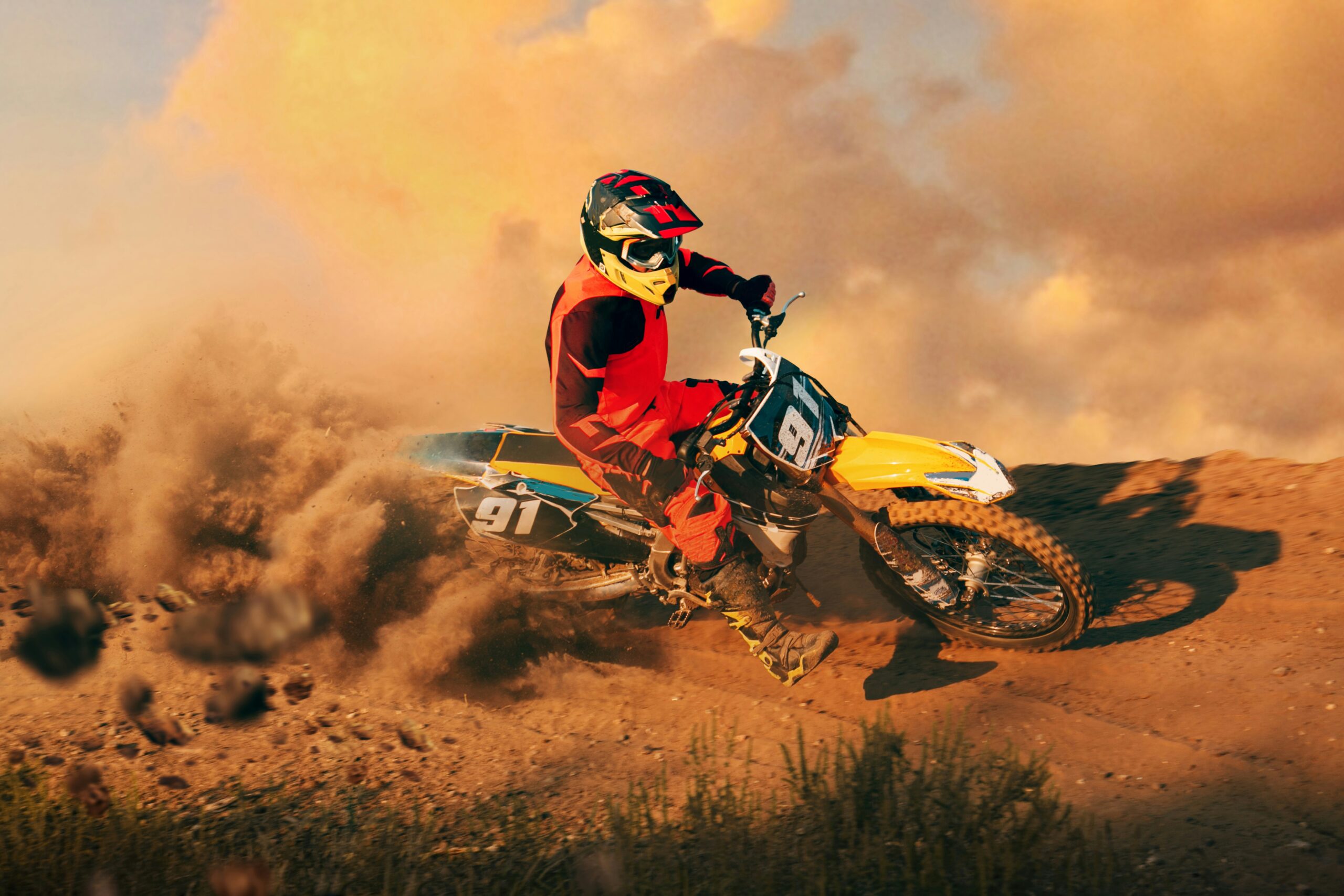
Competitive motocross racing demands more than speed. Riders need strength, stamina, balance, focus, and control. A race can place heavy stress on the entire body, especially the arms, legs, back, and core. Riders also need the mental discipline to stay calm while making fast decisions on changing tracks.
Good training should prepare both the body and the mind. It should also help a rider improve bike control without creating unnecessary fatigue. The best results come from a steady routine that combines physical conditioning, riding practice, recovery, nutrition, and race preparation.
Build a Strong Fitness Base
A strong fitness base helps riders stay in control from the first lap to the last. Motocross requires constant movement. Riders stand, sit, lean, brace, and absorb impact while controlling a powerful machine. This makes full-body fitness essential. Regular training should improve strength and endurance without making the body too stiff.
Cardio training also plays a major role. Running, cycling, rowing, and swimming can improve heart and lung strength. These activities help riders maintain energy during long practice sessions and competitive races. A rider with better endurance can often stay more focused when others begin to tire.
Strengthen the Core and Lower Body
The core helps stabilize the body while the bike moves under the rider. Strong abdominal, lower back, and hip muscles make it easier to stay balanced through corners, jumps, and rough sections. Riders should train these areas often because they help control body position during almost every part of a race.
The legs also carry much of the workload. Strong thighs, hips, and calves help riders stand on the foot pegs and absorb impact. Lower body strength also helps reduce pressure on the arms. When riders use their legs correctly, they can conserve energy and maintain better control for longer periods.
Improve Upper Body Endurance
The arms, shoulders, chest, and back help guide the bike and maintain stable control. Riders need upper body strength, but endurance matters even more. Heavy muscle training alone may not provide the best result. The goal should be to build strength that can last throughout an entire race.
Grip strength is also important. Riders must hold the handlebars securely while controlling the throttle, clutch, and brake. However, gripping too tightly can create early fatigue. Training should improve the hands and forearms while also teaching riders to stay relaxed. Smooth control usually saves more energy than constant tension.
Spend Quality Time on the Bike
Physical training cannot replace real riding practice. Competitive motocross riders need regular time on the bike to improve timing, balance, and confidence. Practice sessions should have a clear purpose. A rider may focus on corners, starts, jumps, braking, or body position during different sessions.
Riders should also practice on different track surfaces when possible. Hard ground, soft dirt, sand, mud, and rutted corners all require different adjustments. Exposure to changing conditions builds experience. It also helps riders react faster when race conditions are different from what they expected.
Focus on Smooth Riding Technique
Smooth riding can make a rider faster while using less energy. Good body position helps the motorcycle move naturally beneath the rider. Riders should keep their movements controlled and avoid unnecessary tension. Looking ahead also helps them prepare for obstacles instead of reacting at the last second.
Cornering technique deserves special attention. Riders need to enter with control, choose a good line, and accelerate at the right time. The same principle applies to jumps and rough sections. Consistent practice builds confidence, and confidence often leads to cleaner, faster riding.
Practice Race Starts and Short Intense Efforts
The start can have a major effect on the outcome of a motocross race. Riders should practice starts regularly so the process becomes familiar. Good starts require balance, throttle control, clutch control, and quick reaction. Repetition helps riders become more comfortable under pressure.
Short, hard riding sessions can also prepare the body for race intensity. Instead of always riding at a relaxed pace, riders should include periods that feel close to actual competition. These sessions teach the body to handle rapid breathing, muscle fatigue, and quick decision-making simultaneously.
Improve Mental Focus and Race Confidence
Motocross is mentally demanding. Riders must process track changes, other competitors, speed, and fatigue in a very short time. Losing focus for even a moment can lead to a mistake. Mental training can help riders remain calm and make better decisions under pressure.
Confidence grows through preparation. Riders who practice consistently often feel more comfortable on race day. Visualization can also help. A rider can mentally review the track, the start, difficult corners, and possible race situations before competition. This creates a stronger sense of readiness.
Follow a Smart Recovery Routine
Training only works when the body has time to recover. Hard riding and gym sessions create physical stress. Rest allows muscles and joints to rebuild. Riders should avoid pushing through constant fatigue, as poor recovery can reduce performance and increase the risk of injury.
Sleep is one of the most important recovery tools. A regular sleep schedule can improve energy, focus, and muscle repair. Light stretching and easy movement can also help the body feel less stiff after hard sessions. Recovery should be treated as part of training, not as wasted time.
Eat and Drink for Performance
Good nutrition supports strength, endurance, and recovery. Riders need enough food to match their training demands. Meals should include quality protein, healthy carbohydrates, fruits, vegetables, and useful fats. Consistent eating habits usually work better than extreme diets.
Hydration is equally important. Motocross riders can lose a large amount of fluid through sweat, especially in hot weather. Drinking water throughout the day can help maintain performance. Riders should also pay attention to hydration before and after riding, not only during practice.
Prepare for Race Day Conditions
Race preparation should begin before arriving at the track. Riders should know the event schedule and understand the expected conditions. They should also make sure their gear and bike are ready. Good preparation reduces stress and allows more attention to remain on riding.
Once at the track, riders should study the surface and notice how it changes. Lines may become rougher as more riders complete laps. Corners may develop deep grooves, and jumps may change after repeated use. Staying alert to these changes can help a rider make better choices during the race.
Train With Consistency Instead of Overtraining
Motocross improvement comes from steady effort. Training too hard every day can lead to exhaustion and poor performance. Riders should balance intense sessions with easier days. A consistent schedule allows the body to adapt while still leaving enough energy for quality riding.
Progress should also be measured over time. Riders can pay attention to lap consistency, physical fatigue, confidence, and bike control. Small improvements can add up quickly when training remains focused. The goal should be to become stronger and more skilled without sacrificing health or enjoyment.
Competitive motocross racing requires complete preparation. Physical fitness helps a rider stay strong, while bike practice improves control and technique. Mental training improves confidence, and proper recovery helps the body handle repeated stress. Each area supports the others.