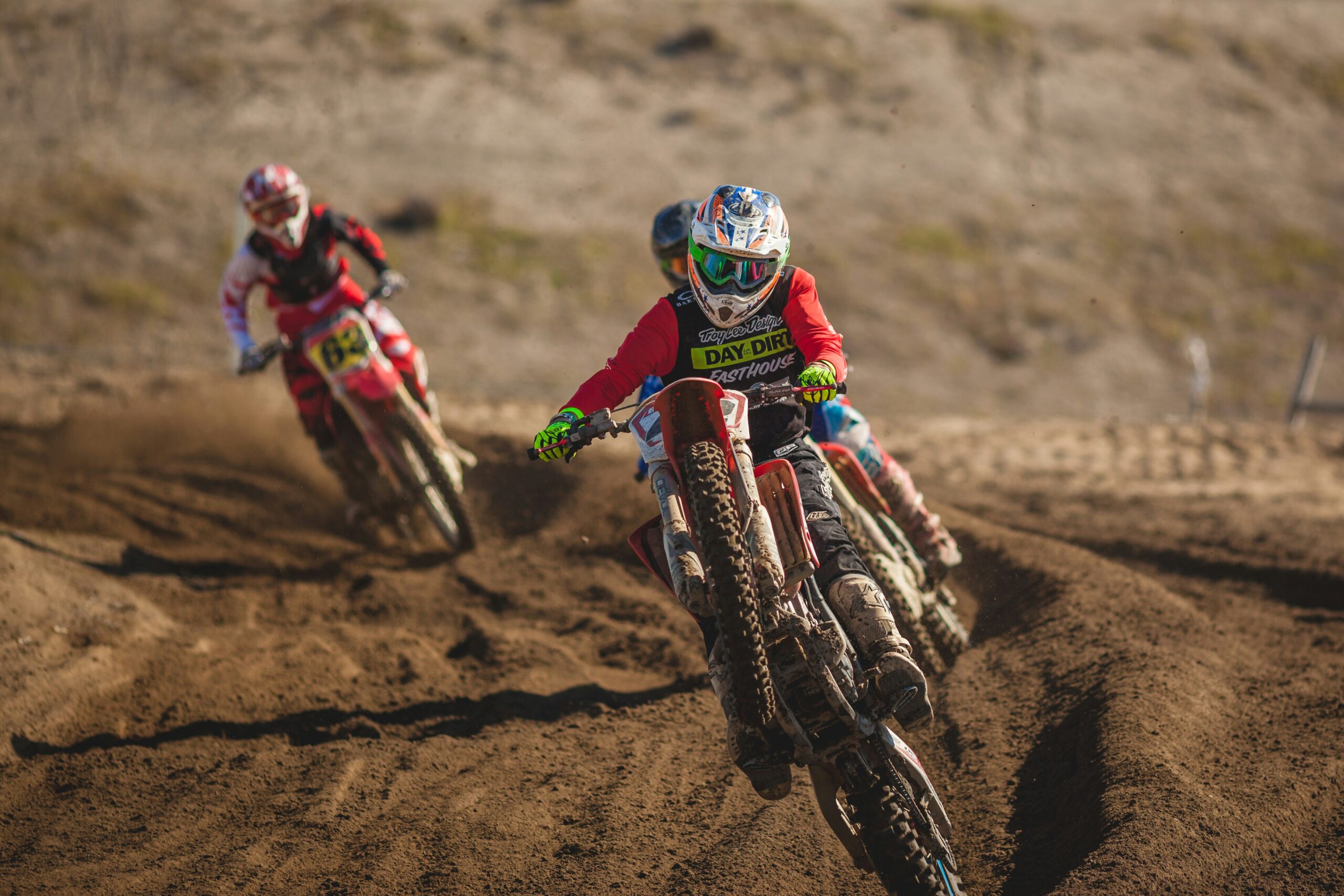
Competitive motocross racing demands much more than riding skill and a powerful motorcycle. Riders must develop strength, endurance, focus, balance, and technical ability to handle intense races safely and effectively. Therefore, a successful training plan combines physical preparation, mental conditioning, riding practice, and proper recovery. Since motocross involves constant movement, sudden direction changes, jumps, and high-speed decisions, riders need a complete approach that prepares both the body and mind.
Additionally, beginners and experienced racers must understand that improvement requires consistency. Instead of relying only on natural talent, competitive riders build their abilities through structured workouts and regular practice sessions. Moreover, setting clear goals helps riders measure progress and identify areas that need improvement. A disciplined training routine creates the foundation needed to compete at higher levels and perform confidently during challenging races.
Developing Physical Strength and Endurance
Motocross racing requires exceptional full-body strength because riders control a heavy motorcycle while absorbing impacts from rough terrain. Therefore, strength training should focus on the core, legs, arms, and upper body. Exercises such as squats, lunges, push-ups, pull-ups, and planks help riders improve stability and control. Furthermore, functional training that imitates riding movements allows athletes to develop the specific muscles they use during competition.
In addition to strength, cardiovascular endurance plays a major role in motocross performance. Races often require riders to maintain intense effort for long periods while staying mentally sharp. Consequently, riders should include activities such as running, cycling, swimming, or interval training in their weekly schedules. These exercises improve stamina, reduce fatigue, and help racers maintain better control during the final stages of a race.
Improving Riding Skills Through Practice
Technical riding skills separate competitive motocross racers from casual riders. Therefore, riders must dedicate significant time to improving cornering, braking, jumping, acceleration, and body positioning. Practicing on different track conditions also helps racers adapt to changing environments. Additionally, riders should focus on smooth movements because unnecessary actions waste energy and reduce speed.
Moreover, video analysis can greatly improve riding performance. By recording practice sessions, riders can review their techniques and identify mistakes in posture, timing, or bike control. As a result, they can make targeted adjustments instead of repeating ineffective habits. Working with experienced coaches can also provide valuable feedback and introduce advanced techniques that accelerate development.
Training Mental Strength for Competition
Motocross racing requires strong mental preparation because riders face pressure, uncertainty, and physical challenges during every event. Therefore, developing confidence and concentration is just as important as improving physical skills. Successful racers learn how to remain calm under pressure and make quick decisions while traveling at high speeds. Additionally, visualization techniques can help riders prepare mentally by imagining successful laps, jumps, and race situations.
Furthermore, competitive riders must learn how to manage fear and setbacks. Injuries, poor performances, and mechanical problems are common parts of motocross racing. However, maintaining a positive mindset allows riders to recover and continue improving. By building mental resilience, racers become more consistent and better prepared for the demands of competition.
Creating an Effective Practice Schedule
A structured practice schedule helps motocross riders balance skill development, fitness training, and recovery. Therefore, riders should organize their weeks carefully instead of practicing without a clear purpose. A balanced schedule may include riding sessions, strength workouts, endurance exercises, and rest days. Additionally, focusing on specific skills during each practice session can lead to faster improvement.
Moreover, quality practice matters more than simply spending long hours on the track. Riders should set specific goals before each session, such as improving corner speed or refining jump techniques. Consequently, every training session becomes more productive. Over time, consistent and focused practice builds the confidence and experience needed for competitive racing.
Maintaining Proper Nutrition and Recovery
Nutrition plays an essential role in motocross performance because riders need enough energy to train and compete effectively. Therefore, racers should consume balanced meals containing lean proteins, complex carbohydrates, healthy fats, fruits, and vegetables. Proper hydration is also important because dehydration can reduce concentration, reaction speed, and endurance during races.
Additionally, recovery allows the body to adapt and become stronger after training. Riders should prioritize quality sleep, stretching, mobility exercises, and rest days. Furthermore, ignoring recovery can increase the risk of injuries and reduce overall performance. By supporting the body with proper nutrition and recovery habits, motocross racers can maintain consistent progress throughout the season.
Preparing for Competitive Race Events
Successful motocross racers prepare carefully before every competition. Therefore, riders should study the track layout, understand potential challenges, and develop a race strategy. Arriving early allows time for bike preparation, practice laps, and mental preparation. Additionally, checking equipment before racing helps prevent avoidable problems during competition.
Moreover, race preparation includes understanding personal limits and making smart decisions. Although aggressive riding can create opportunities, unnecessary risks can lead to crashes and injuries. Consequently, experienced racers balance speed with control. By combining preparation, strategy, and confidence, riders can perform at their highest level when facing strong competition.
Choosing the Right Equipment and Safety Gear
The right equipment directly affects a rider’s performance and safety. Therefore, competitive motocross racers should invest in high-quality helmets, boots, gloves, goggles, protective gear, and properly maintained motorcycles. Each piece of equipment serves an important purpose by reducing injury risks and improving comfort during demanding races.
Furthermore, riders should regularly inspect and maintain their motorcycles. Proper tire pressure, suspension settings, engine condition, and brake performance can influence race results. Additionally, understanding motorcycle adjustments allows riders to customize their bikes for different tracks and riding styles. With reliable equipment and proper maintenance, racers can focus more effectively on improving their performance.
Continuing Growth as a Motocross Racer
Becoming a competitive motocross racer requires patience, dedication, and continuous learning. Therefore, riders should view training as a long-term journey rather than a quick process. Every practice session, race experience, and challenge provides an opportunity to improve. Additionally, learning from coaches, competitors, and personal mistakes helps riders develop stronger skills over time.
Ultimately, competitive motocross success comes from combining physical preparation, technical ability, mental toughness, and smart decision-making. Although the sport presents many challenges, consistent effort creates steady improvement. By following a complete training approach and maintaining commitment, aspiring racers can develop the skills needed to compete confidently and achieve their motocross goals.