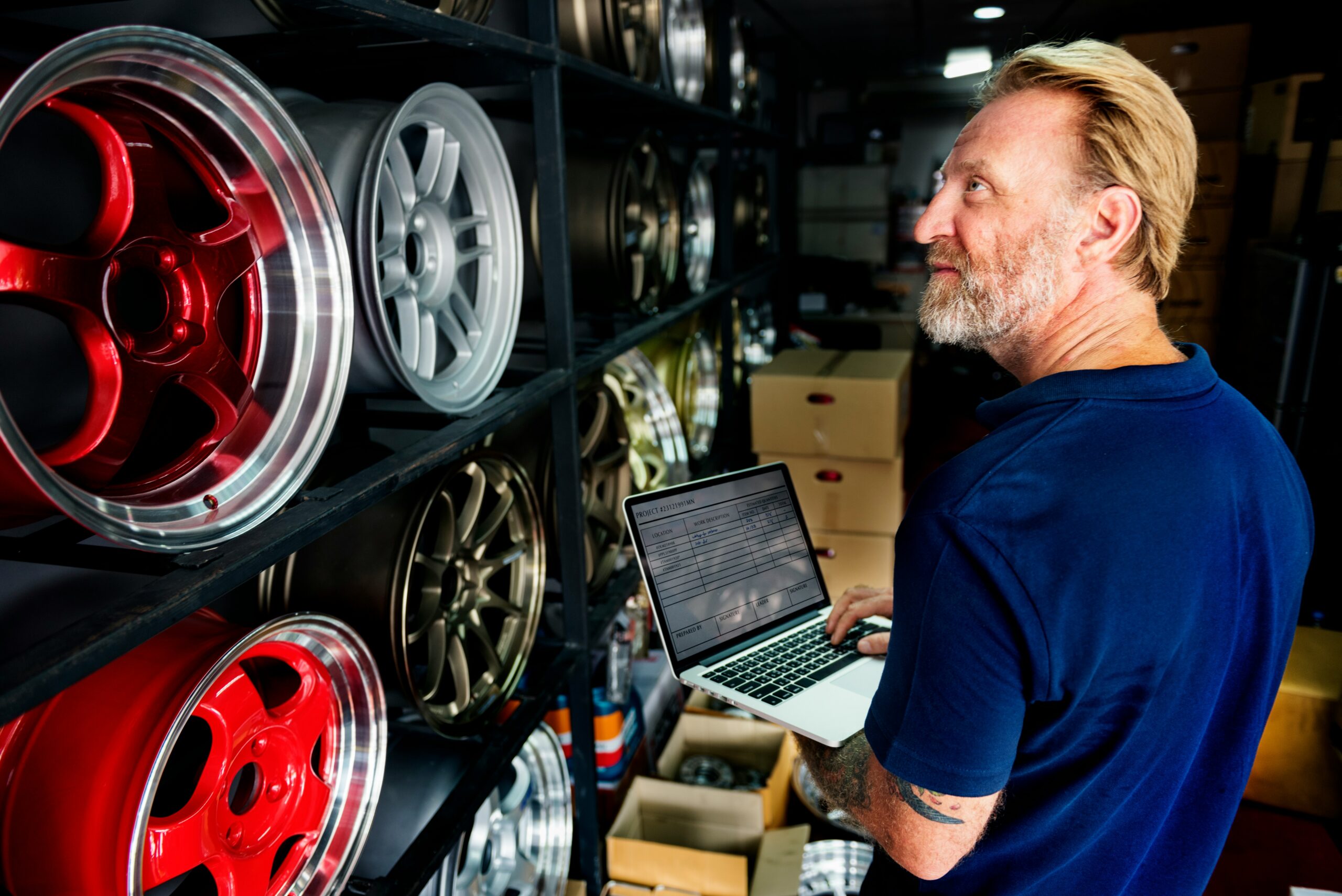
The powersports industry moves fast, and dealerships must manage parts, service, and customer expectations simultaneously. Because of this pressure, a skilled powersports parts manager plays a critical role in keeping operations running smoothly and profitably. From inventory control to customer service, the parts department often determines whether a dealership succeeds or struggles in the competitive powersports industry. Moreover, customers rely on quick access to motorcycle, ATV, UTV, and personal watercraft parts. Therefore, dealerships need professionals who can manage stock, communicate with technicians, and support sales teams effectively. A knowledgeable parts manager not only improves efficiency but also strengthens the dealership’s reputation and long-term growth.
The Core Role of a Powersports Parts Manager
A Powersports Parts Manager oversees the entire parts department and ensures that technicians and customers always have access to the right components. Because service repairs depend on parts availability, the manager must organize stock and track demand carefully. In addition, they coordinate with the service department to ensure repairs move forward without delay. As a result, the dealership can maintain faster turnaround times and higher customer satisfaction.
Moreover, the role requires strong leadership and operational skills. A skilled manager trains staff, handles ordering, and maintains accurate records. Meanwhile, they monitor sales trends and adjust inventory levels accordingly. Because of this balance between management and technical knowledge, the parts manager becomes a central figure in daily dealership operations.
Inventory Management and Operational Efficiency
Effective inventory management remains one of the most important responsibilities of a powersports parts manager. When parts are unavailable, service jobs slow down, and customers become frustrated. Therefore, the manager must maintain optimal stock levels while avoiding unnecessary overstock. By studying seasonal demand and repair trends, they ensure the dealership carries the most important components.
Additionally, proper inventory control improves workflow across departments. For example, technicians can complete repairs more quickly when parts are organized and easy to locate. Furthermore, efficient inventory systems reduce waste and prevent lost revenue from missing items. Because of these benefits, strong inventory management directly improves dealership productivity and profitability.
Enhancing Customer Satisfaction Through Parts Availability
Customer satisfaction often depends on how quickly a dealership can supply parts. A skilled powersports parts manager ensures customers receive accurate information and timely service. When riders need replacement components or performance upgrades, the manager helps locate the right items quickly. Consequently, customers feel confident in the dealership’s expertise and reliability.
Furthermore, a knowledgeable parts manager improves the overall buying experience. They help customers understand compatibility, installation requirements, and product options. As a result, riders leave with the correct parts, and fewer return issues occur. Because positive experiences build trust, customers are more likely to return for future service and purchases.
Supporting Dealership Profitability
The parts department often produces a significant share of dealership revenue. Because of this, a capable powersports parts manager directly influences profitability. By analyzing sales data and tracking product demand, the manager identifies high-performing items and adjusts purchasing strategies. Consequently, the dealership sells more profitable parts while reducing slow-moving inventory.
Moreover, strong pricing and merchandising strategies can increase sales opportunities. For example, a parts manager may promote accessories, riding gear, or maintenance kits alongside service work. Meanwhile, they monitor margins and supplier costs to protect profit levels. Therefore, the parts department becomes a reliable revenue source that supports the dealership’s overall growth.
Building Strong Supplier Relationships
Supplier relationships play a vital role in the success of the parts department. A professional powersports parts manager communicates regularly with manufacturers and distributors. As a result of this communication, the dealership can secure better pricing, faster shipping, and more reliable product availability. In many cases, these partnerships also provide access to exclusive promotions or new product launches.
Additionally, strong vendor relationships help solve unexpected supply problems. When certain parts become difficult to find, a well-connected manager can often locate alternatives quickly. Meanwhile, consistent communication ensures that product updates and recalls reach the dealership promptly. As a result, the dealership maintains high service standards and avoids costly delays.
Using Technology to Improve Parts Operations
Modern dealerships rely heavily on digital systems to manage inventory and sales. Therefore, a skilled powersports parts manager must understand dealership management software and inventory tools. These systems help track parts usage, monitor stock levels, and automate reorders. As a result, the department operates with greater accuracy and efficiency.
Technology also improves communication across departments. For example, technicians can instantly check part availability, enabling them to plan repairs more effectively. Meanwhile, managers can analyze sales reports and identify emerging trends. Because technology provides real-time insights, dealerships can make smarter decisions and reduce operational errors.
Coordinating With Service and Sales Teams
A powersports parts manager works closely with both the service and sales departments. Because technicians depend on parts availability, the manager must ensure the service team receives the correct components quickly. In addition, they support service advisors by providing accurate pricing and product details. Consequently, repair estimates remain clear, and customers receive transparent information.
Furthermore, the parts department supports vehicle sales through accessories and upgrades. Sales staff often rely on the parts manager to recommend performance components, safety gear, or customization options. As a result, customers can personalize their vehicles while the dealership increases revenue. This collaboration strengthens teamwork and improves the customer experience.
Preparing the Dealership for Industry Growth
The powersports industry continues to expand as more people explore outdoor recreation and adventure riding. Because of this growth, dealerships must prepare for increasing demand for parts and service. A skilled powersports parts manager helps dealerships adapt by improving processes and forecasting future needs. Consequently, the dealership stays competitive in a rapidly evolving market.
Moreover, forward-thinking managers invest in staff training and operational improvements. They introduce better inventory systems, improve supplier relationships, and streamline workflows. Meanwhile, they study industry trends to anticipate changes in vehicle technology and parts demand. Therefore, the dealership remains prepared for future growth and long-term success.