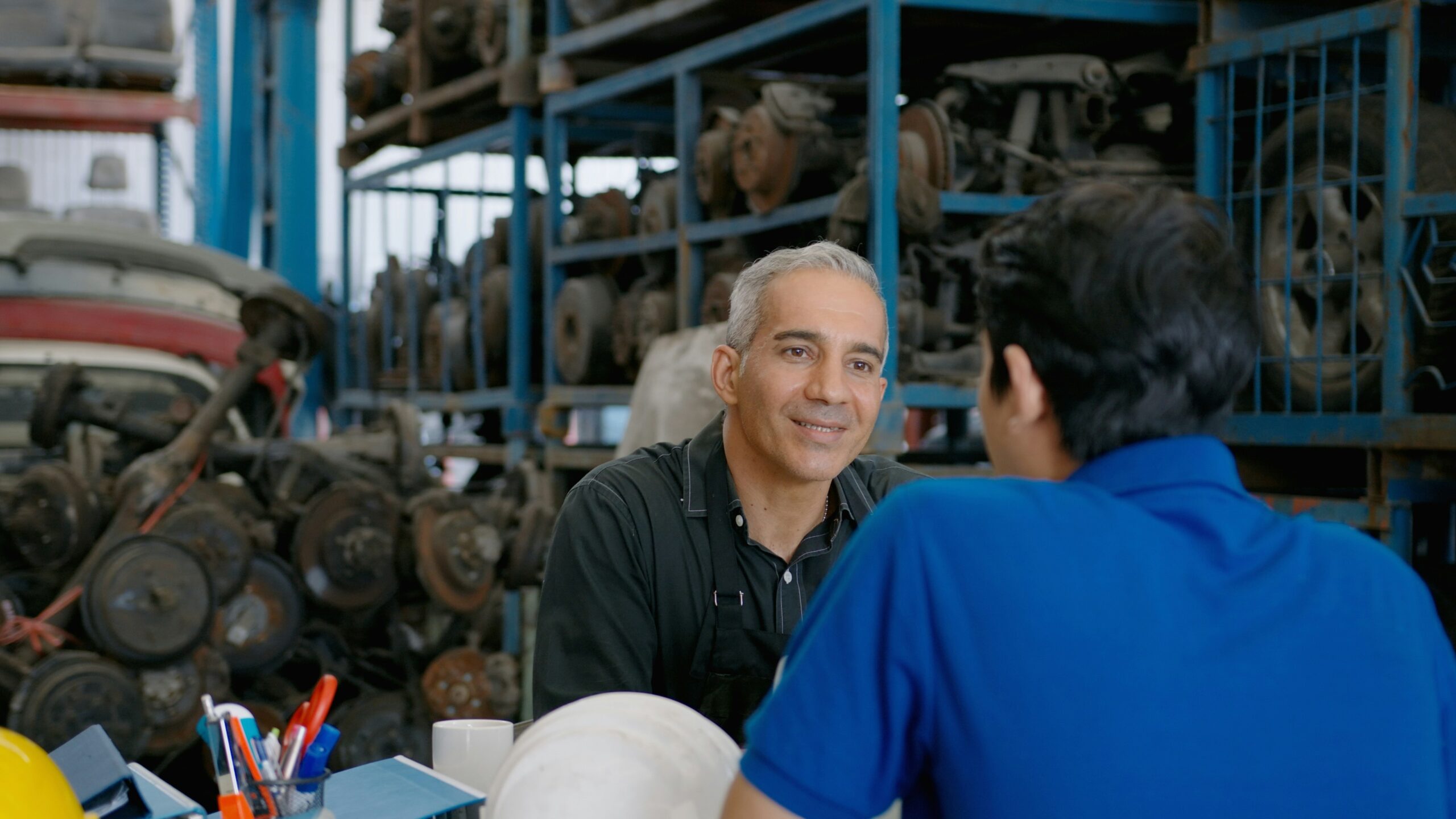
A powersports parts manager plays a major role in keeping a dealership running smoothly. This position requires strong organization, deep product knowledge, and excellent communication skills. Because customers depend on the right parts at the right time, the parts manager must stay focused, proactive, and ready to solve problems quickly.
In today’s competitive market, dealerships rely on parts departments for both profit and customer satisfaction. Therefore, a skilled powersports parts manager helps improve operations while also building trust with riders, technicians, and staff. This job demands daily attention to detail, yet it also requires long-term planning.
Managing Inventory With Accuracy
A powersports parts manager must control inventory carefully. Since dealerships stock thousands of items, missing or incorrect parts can slow down service and frustrate customers. For that reason, the manager must track stock levels, reorder products on time, and avoid overstocking.
Additionally, the manager must ensure that fast-moving parts remain available. At the same time, they must reduce waste from slow-selling items. When inventory stays balanced, the dealership saves money and operates more efficiently. Because inventory impacts every department, strong control leads to better performance across the entire business.
Supporting the Service Department Daily
The service department depends on quick access to parts. A powersports parts manager must work closely with technicians to keep repairs on schedule. When the manager communicates clearly, the shop runs faster, and customers stay satisfied.
Moreover, service teams often need help identifying the correct part for a specific model. Therefore, the manager must understand fitment, compatibility, and manufacturer requirements. By providing fast support, the parts manager helps increase shop productivity and keeps repair jobs moving forward.
Delivering Outstanding Customer Service
Customer satisfaction remains a top priority. A powersports parts manager interacts with riders who need replacement parts, upgrades, or accessories. Since customers may not know exactly what they need, the manager must listen carefully and offer helpful guidance.
Furthermore, strong service builds loyalty. When customers trust the parts department, they return for future purchases. As a result, the dealership gains repeat business and a stronger reputation. Because of this, communication skills matter just as much as product knowledge.
Ordering Parts and Working With Vendors
A major duty of a powersports parts manager involves ordering parts from suppliers. This includes maintaining vendor relationships, negotiating pricing, and ensuring timely delivery.
In addition, the manager must stay aware of seasonal demand. For example, certain riding months bring higher demand for specific products. Therefore, planning helps avoid delays. When vendor coordination stays strong, the dealership meets customer needs more effectively.
Maintaining Organized Parts Displays
A well-organized parts department improves both sales and workflow. A powersports parts manager must keep shelves, displays, and storage areas clean and easy to navigate.
Because customers often browse accessories, visual appeal matters. At the same time, technicians need quick access to stocked parts. Therefore, the organization supports both retail and service success. Also, proper labeling reduces mistakes and speeds up daily operations.
Training and Leading the Parts Team
Leadership plays an important part in this role. A powersports parts manager often supervises counter staff and warehouse employees. To succeed, the manager must train the team, set expectations, and encourage teamwork.
Additionally, staff must stay up to date on new products and systems. Therefore, ongoing coaching helps the department perform at a high level. When the manager leads with clarity and consistency, employees feel confident and motivated.
Using Technology and Dealership Software
Modern dealerships rely on digital systems for inventory, sales, and ordering. A powersports parts manager must use software tools to track stock, manage invoices, and process customer requests.
Moreover, accurate data helps forecast trends and improve purchasing decisions. Therefore, technical skills have become essential in today’s parts departments. By embracing technology, managers improve efficiency and reduce costly errors.
Increasing Department Profitability
A dealership’s parts department can generate strong revenue. A powersports parts manager must focus on pricing strategies, accessory promotions, and smart inventory turnover.
In addition, the manager may recommend bundled items or upgrades to customers. Because of this, the manager helps increase average transaction value while still meeting customer needs. Profitability improves when the department stays organized, customer-focused, and proactive.
Staying Current With Industry Trends
The powersports industry changes quickly. New models, updated parts, and emerging accessories regularly enter the market. Therefore, a powersports parts manager must stay informed.
By learning about new products and rider preferences, managers can stock better inventory and provide more accurate support. Moreover, trend awareness helps dealerships stay competitive. Continuous learning keeps the parts department strong and future-ready.
Ensuring Compliance and Safety
Parts departments must follow safety standards and manufacturer guidelines. A powersports parts manager must handle hazardous materials properly and maintain clean storage practices.
Additionally, warranty parts and returns require accurate documentation. Therefore, compliance with regulations protects both the dealership and the customer. Safe operations also support a professional and trusted environment.
The role of a powersports parts manager involves much more than ordering parts. This position requires leadership, customer service, inventory expertise, and strong coordination with vendors and service teams. When done well, the parts manager becomes a key driver of dealership success.
By staying organized, communicating effectively, and focusing on customer needs, a powersports parts manager helps the entire business grow. This career offers challenges but also provides rewarding opportunities in a fast-paced industry.